Building a Supportive Shooting Community Together
Creating a supportive shooting community is essential for fostering a safe and enjoyable environment for enthusiasts of all skill levels. Whether you are a seasoned marksman or a newcomer to the sport, the sense of belonging and support from fellow shooters can significantly enhance your experience. In this blog post, we will explore the importance of community in shooting sports, how to build a supportive network, and practical steps to ensure everyone feels welcome and valued.
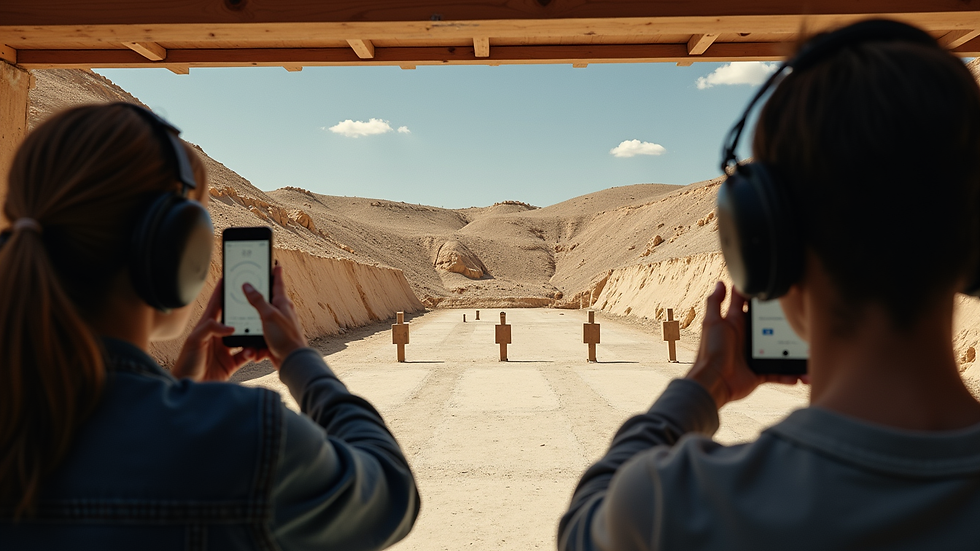
The Importance of Community in Shooting Sports
Shooting sports can often be seen as solitary activities, but they thrive in community settings. Here are a few reasons why building a supportive shooting community is crucial:
Encouragement and Motivation
Having a network of fellow shooters can provide the encouragement needed to improve skills. When you practice alongside others, you can share tips, celebrate successes, and motivate each other to push beyond your limits. This camaraderie can make the difference between giving up and striving for excellence.
Safety and Responsibility
A supportive community emphasizes safety and responsible shooting practices. Experienced shooters can mentor newcomers, teaching them about proper handling, safety protocols, and ethical considerations. This mentorship not only enhances safety but also instills a sense of responsibility among all members.
Knowledge Sharing
Shooting sports encompass a wide range of disciplines, techniques, and equipment. A community allows for the sharing of knowledge and experiences, helping everyone to learn and grow. Whether it's discussing the latest gear or sharing insights on shooting techniques, the exchange of information can be invaluable.
Building Lifelong Friendships
Beyond the sport itself, shooting communities often lead to lasting friendships. The shared experiences, challenges, and victories create bonds that extend beyond the range. These friendships can provide support in various aspects of life, making the community even more meaningful.
Steps to Build a Supportive Shooting Community
Creating a welcoming and supportive shooting community requires intentional effort. Here are some practical steps to consider:
1. Organize Regular Events
Hosting regular events, such as practice sessions, competitions, or social gatherings, can help bring people together. These events provide opportunities for shooters to connect, share experiences, and learn from one another. Consider organizing:
Beginner Workshops: Offer workshops for newcomers to learn the basics of shooting in a safe and supportive environment.
Friendly Competitions: Host friendly competitions that encourage participation rather than just winning. This can help build camaraderie among participants.
Social Gatherings: Plan social events outside of shooting, such as barbecues or group outings, to strengthen relationships.
2. Foster Inclusivity
Inclusivity is key to building a supportive community. Ensure that everyone feels welcome, regardless of their skill level, background, or experience. Here are some ways to promote inclusivity:
Diverse Activities: Offer a variety of shooting disciplines to cater to different interests, such as trap shooting, rifle competitions, or archery.
Mentorship Programs: Pair experienced shooters with newcomers to provide guidance and support. This can help newcomers feel more comfortable and engaged.
Open Communication: Create an environment where everyone feels comfortable sharing their thoughts and experiences. Encourage open dialogue and feedback.
3. Promote Safety and Education
Safety should always be a top priority in shooting sports. A supportive community emphasizes education and responsible practices. Consider implementing the following:
Safety Briefings: Conduct safety briefings before each event to remind participants of best practices and protocols.
Training Sessions: Offer training sessions focused on safety, equipment handling, and shooting techniques. This can help build confidence among all members.
Resource Sharing: Provide access to educational materials, such as books, videos, or online courses, to help members improve their skills and knowledge.
4. Leverage Technology
In today's digital age, technology can play a significant role in building a supportive community. Utilize online platforms to connect members and share information. Here are some ideas:
Social Media Groups: Create private groups on social media platforms where members can share experiences, ask questions, and organize events.
Online Forums: Establish an online forum dedicated to shooting discussions, tips, and resources. This can be a valuable space for knowledge sharing.
Event Calendars: Use online calendars to keep members informed about upcoming events, competitions, and training sessions.
5. Celebrate Achievements
Recognizing and celebrating the achievements of community members can foster a positive atmosphere. Whether it's a personal best or a milestone reached, acknowledgment can boost morale and motivation. Consider:
Awards and Recognition: Create awards for various categories, such as "Most Improved Shooter" or "Best Team Spirit," to celebrate achievements.
Spotlight Stories: Share stories of individual members' journeys and accomplishments in newsletters or on social media. This can inspire others and strengthen community bonds.
Challenges in Building a Supportive Community
While the benefits of a supportive shooting community are clear, there are challenges to consider. Addressing these challenges head-on can help create a stronger network.
Overcoming Stereotypes
Shooting sports can sometimes be associated with negative stereotypes. It is essential to challenge these perceptions by promoting the positive aspects of the sport, such as discipline, focus, and community spirit. Engaging with local media or hosting open days can help showcase the sport in a positive light.
Managing Conflicts
Conflicts may arise within any community. It is crucial to address issues promptly and constructively. Encourage open communication and provide a platform for members to voice their concerns. Establishing a code of conduct can also help set expectations for behavior within the community.
Ensuring Sustainability
Building a supportive community requires ongoing effort and commitment. To ensure sustainability, consider forming a committee or leadership team dedicated to community development. This team can focus on planning events, addressing member needs, and fostering a positive environment.
Conclusion
Building a supportive shooting community is a rewarding endeavor that enhances the experience for all involved. By fostering encouragement, safety, inclusivity, and knowledge sharing, we can create an environment where everyone feels valued and empowered. Remember, the strength of a community lies in its members. Let’s work together to build a supportive shooting community that thrives on collaboration and friendship.
Take the first step today by reaching out to fellow shooters, organizing an event, or simply sharing your experiences. Together, we can create a vibrant and welcoming community that celebrates the joy of shooting sports.


Comments